Health and wellbeing
Mental health and psychosocial support sits at the centre, alongside HIV prevention and care and sexual and reproductive health, so that young people are supported as whole people rather than as single needs.
REPSSI's programmes work across the health, safety, and learning of children, adolescents, and youth. These are the parts of their lives that shape their wellbeing and determine how they are held in times of crisis. The work runs through four connected areas.
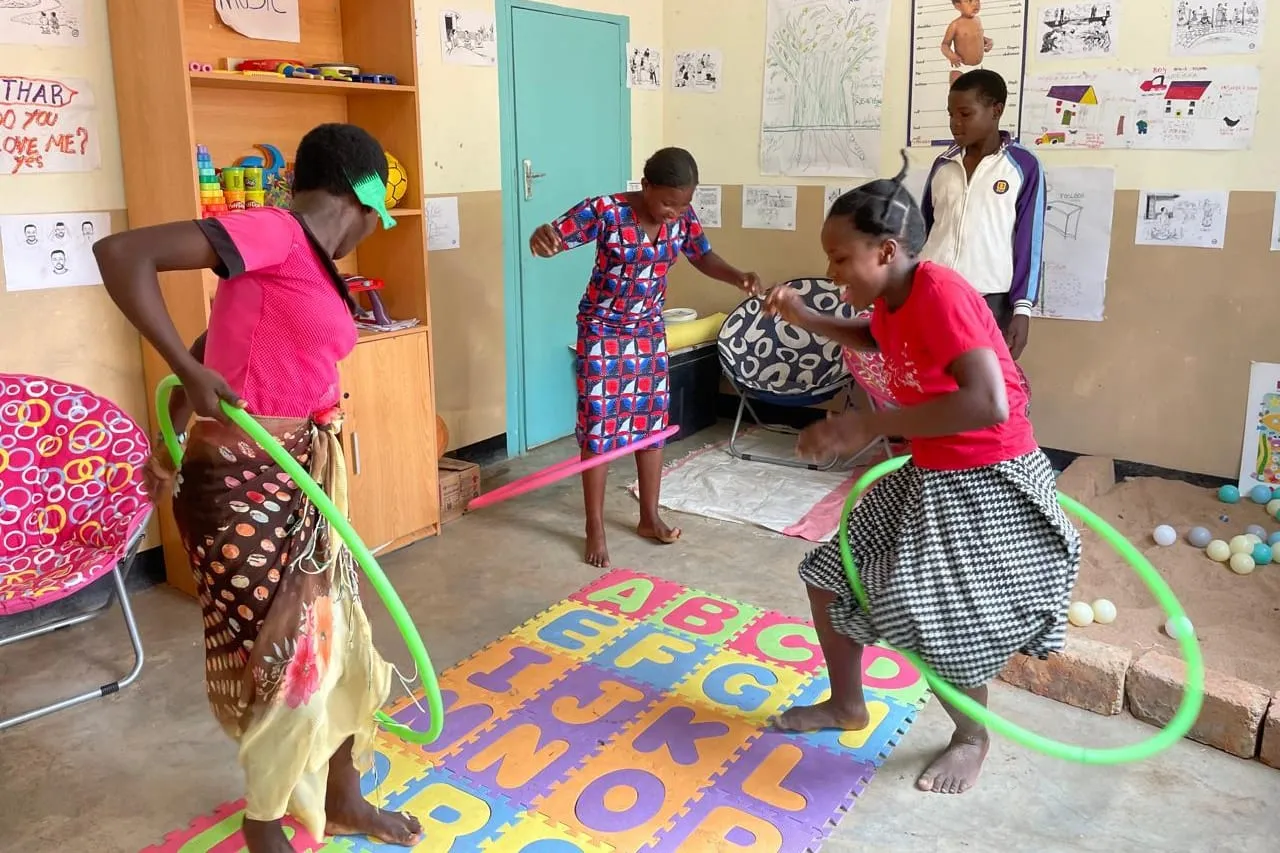
Mental health and psychosocial support sits at the centre, alongside HIV prevention and care and sexual and reproductive health, so that young people are supported as whole people rather than as single needs.
Strengthening the systems around a child that protect against violence and abuse, and supporting families and young people towards secure livelihoods.
Helping schools become places where children and adolescents feel safe and able to learn, and supporting the earliest years through the parents and caregivers around a child.
When disaster, displacement, or climate shocks arrive, REPSSI puts psychosocial care at the centre of the response and helps communities recover and hold together.
In 2025, REPSSI worked directly with more than 47,000 children and young people, and trained over 7,000 of the adults who support them: teachers, health workers, and community leaders.
More than 47,000
children and young people worked with directly
Over 7,000
adults trained to support them
In Zimbabwe, 3,284 teachers were trained in a social and emotional learning programme that the Minister of Education is now backing for national roll-out.
3,284
teachers trained in social and emotional learning
In Uganda, peer supporters at an adolescent clinic identified and safely referred fifteen young people living with thoughts of suicide.
In Tanzania, a parenting tool built for families won government endorsement.
In Mozambique, 91% of the young people living with HIV in the programme (4,112 in all) reached viral suppression, with 97% retained in care through peer treatment support.
91%
of young people living with HIV in the programme reached viral suppression
97%
retained in care through peer treatment support
Across the 12 countries, peer-facilitated referrals reached 187% of their target, connecting 12,409 young people to services.
12,409
young people connected to services through peer-facilitated referrals
I like coming to the group because it makes me feel strong and not alone.
REPSSI didn't just give me coping skills; they gave me back my dreams. I'm going back to school. To other young mothers feeling lost: this programme truly changes lives. It gives you back your power.
Working closely with REPSSI has allowed our community to rethink Ubuntu and community cohesion. The dialogues have been instrumental in fostering lasting change.
I came here thinking we were just going to learn the usual laws. But I leave with new eyes. I now understand how trauma affects young people's behaviour.